
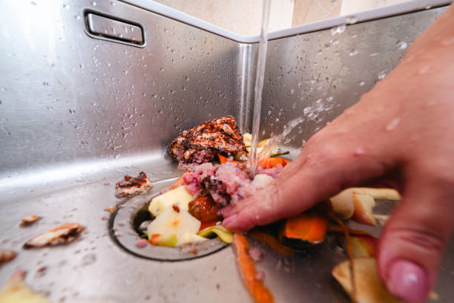
A garbage disposal is a convenient kitchen tool that helps break down food waste and keep your sink clear. However, it is not designed to handle everything. Putting the wrong items down your disposal can lead to clogs, damage, and costly plumbing repairs. Knowing what to avoid is key to keeping your system running smoothly and extending its lifespan.
Why Proper Garbage Disposal Use Matters
Your garbage disposal is built to handle small food particles, not large or fibrous materials. When incorrect items are introduced, they can wrap around the blades, harden inside the pipes, or create blockages that restrict water flow.
Over time, misuse can lead to:
- Frequent clogs
- Foul odors from trapped food
- Damaged disposal blades
- Blocked or slow drains
- Increased risk of plumbing backups
Using your disposal correctly helps prevent these issues and keeps your kitchen plumbing in good condition.
Grease, Oil, and Fat
One of the most common mistakes homeowners make is pouring grease or oil down the drain. While it may go down as a liquid, it quickly cools and solidifies inside your pipes. This creates sticky buildup that traps food particles and leads to stubborn clogs.
Instead, allow grease to cool and dispose of it in a sealed container in the trash.
Fibrous and Starchy Foods
Certain foods can be especially problematic for garbage disposals because they don’t break down easily.
Avoid putting these down your disposal:
- Celery, corn husks, and onion skins
- Potato peels and pasta
- Rice and other starchy foods
Fibrous materials can wrap around the blades, while starchy foods expand and create thick paste-like blockages.
Hard or Dense Food Items
Your garbage disposal is not designed to grind hard materials. Items like bones, fruit pits, and shells can damage the blades or motor, leading to expensive repairs or replacement.
Even small amounts of these materials can cause long-term wear on your system.
Coffee Grounds and Eggshells
Although commonly thought to be harmless, coffee grounds and eggshells can contribute to buildup inside your pipes. Coffee grounds tend to clump together, while eggshell membranes can stick to the sides of pipes and accumulate over time.
These materials are better disposed of in the trash or compost when possible.
Non-Food Items
It may seem obvious, but non-food items should never go down a garbage disposal. Paper, plastic, metal, and other household debris can quickly damage the system and cause serious plumbing issues.
How to Keep Your Garbage Disposal Working Properly
Proper use and regular maintenance go a long way in preventing problems. Running cold water while using the disposal, avoiding overloading it, and cleaning it regularly can help keep it functioning efficiently.
Even with proper care, occasional buildup or issues may still occur, especially in busy households.
Keep Your Kitchen Plumbing Protected
Using your garbage disposal correctly can help prevent clogs, odors, and unnecessary repairs. Being mindful of what goes down the drain is one of the simplest ways to protect your plumbing system.
If you are experiencing persistent disposal or drain issues, contact William Parrish Plumbing today at (919) 343-0783. William Parrish Plumbing is here to provide reliable service and keep your home’s plumbing running smoothly.